
Just as your phone’s battery is the heart of your connectivity, the power and performance of your EV come from its battery.
However, if you’re new to the world of EVs, you will probably have lots of questions about the car’s battery: How long will it last? Is a bigger battery always better? Can I charge it anywhere?
You might have even heard people saying, ‘Don’t EV batteries explode?’
Well, this guide will look at the most common issues and misconceptions and aim to answer these types of questions with jargon-free explanations. So, let’s dive in!
An EV battery is a rechargeable energy storage system that powers an electric car’s motor.
Just like a phone battery, an EV battery needs to be plugged in to charge. Electricity flows into the battery through a cable and charger, storing energy that the car later uses to drive and power its other systems.
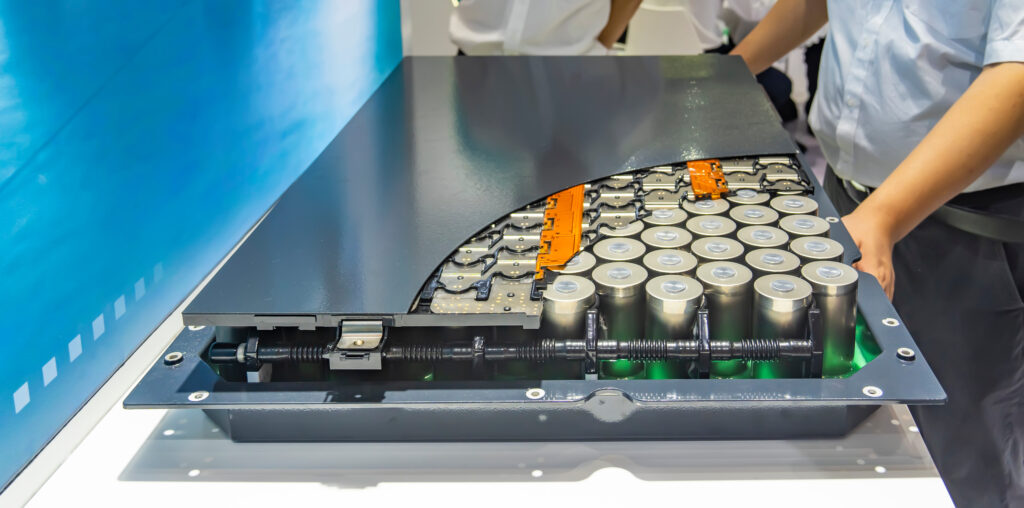
“Range” is the distance your electric vehicle (EV) can travel on a full charge. Just like fuel economy in petrol and diesel cars, the range can vary depending on how and where you drive.
| Things that drain the battery faster | Things that preserve battery range |
|---|---|
| - Carrying heavy loads - Driving uphill - Fast driving and harsh acceleration - Cold or very hot weather ( batteries work best at moderate temperatures and when not constantly running heating or air conditioning) | - Gentle driving at steady speeds - Smooth acceleration - Using eco-driving modes - Pre-conditioning the car (cooling or warming it whilst it’s plugged in) |
To start with, charging might sound complicated, but once you’ve had a go, it’s actually fairly straightforward. Like plugging in a phone, you just plug it in and let it charge. There are different levels of charging, which we go into in greater detail in our blog about charging.
Just like a phone, an EV battery loses some capacity over time. This doesn't mean it will fail, but it won’t hold quite as much charge as when it was new.
Carmakers generally offer 8-year warranties, or longer, covering the battery. It is possible to replace an old EV battery with a newer version to keep your EV on the road for longer. Encouragingly, real-world studies suggest EV batteries may last even longer than expected – see the highlight box below for the details.
EV battery life: better than expected
Recent real-world studies suggest EV batteries may last longer than originally predicted. Global telematics company Geotab found that batteries lose only about 1–2% of their capacity per year, meaning many could last 15–20 years or more under normal driving conditions.
Stanford University's Battery Research Centre found that real-world driving habits, like stop-and-go traffic and occasional braking, may even help batteries last up to 40% longer than lab-based estimates.
While battery life still depends on factors like climate, driving style, and charging habits, this is encouraging news for anyone worried about replacing their EV battery too soon.
Tips to keep your battery healthy:
EV batteries have both environmental advantages and drawbacks. On the positive side, EVs produce no tailpipe emissions, reducing greenhouse gases over their lifetime — especially when charged with renewable energy. Multiple authoritative assessments, including those from the European Environment Agency (EEA), consistently show that electric cars generate significantly fewer greenhouse gas emissions over their full life cycle than petrol or diesel vehicles, even when battery production is taken into account.
However, battery manufacturing requires mining lithium, cobalt, and nickel, which can cause habitat destruction, water pollution, and high carbon emissions. End-of-life disposal also poses environmental risks if batteries are not properly recycled.
Even with these challenges, the overall life-cycle impact remains lower for EVs than for conventional cars. As EV technology advances, improvements in battery chemistry, more efficient recycling processes, and the growth of second-life applications are helping EVs become cleaner, greener, and part of a more circular, eco-friendly energy system.
When an EV battery reaches the end of its life in a car, it is very unlikely to end up in landfill because of strict UK regulations and the safety risks associated with lithium-ion batteries.
Some EV batteries are being repurposed for stationary energy storage, although second-life use is still limited at present.
Most batteries that can’t be reused go on to recycling, where newer processes can recover a high proportion of valuable materials—up to around 95% in the best-case scenarios—even though real-world recovery rates and UK capacity are still developing.
It’s a common misconception that electric cars are more prone to exploding and carry a greater fire risk than combustion engines. However, various studies from Australia, Sweden and the UK’s Office for Zero Emission Vehicles all show that the chances of an EV fire are much lower than the risk for a diesel or petrol vehicle bursting into flames.
No. Modern EVs are designed to protect against overcharging automatically, with a battery management system (BMS) when charged with approved equipment under normal circumstances. When the battery reaches 80% the charging rate slows down to prevent damage to the battery. The car’s software manages the charging to save you worrying about overdoing it. It’s a bit like pouring a glass of water; you need to slow down before the top to prevent spilling it.
It’s best to charge to around 80-90% for regular driving and only occasionally top up to 100% to maintain long-term health for your EV’s battery life
The cost of a new EV battery depends on the car model, size and manufacturer. Replacing a full EV battery system currently ranges from £5,000 to £9,000, although prices vary depending on make, model, pack size, labour and warranty.
However, prices are steadily dropping as production scales up. Some smaller batteries or partial module replacements cost much less, but as we previously mentioned, in many cases, the batteries are likely to outlast the car rather than needing to be replaced with careful use and maintenance.
Not necessarily. A bigger battery usually gives more driving range, but it also comes with a higher price tag, extra weight and longer charging times, whereas smaller batteries are cheaper, lighter and more efficient in city driving. The right-sized battery depends on your driving habits, not just the size of the battery.
Mid-range batteries hit the sweet spot for Indra drivers
Data from our Indra smart charger users shows that a mid-range battery capacity of 60-80kWh is by far the most common – perfectly adequate for weekly commuting, shopping, and school runs with a weekly, or bi-weekly, top-up at a smart EV tariff rate.
This mirrors the general trend towards efficient mid-range EVs, balancing cost and range. Great examples of EVs in this battery range include the VW ID.3, Hyundai Kona, MG4, Škoda Elroq, and Renault Zoe, amongst others.
The cost will depend on the size of the battery, your electricity rate and tariff, as well as where you charge; home charging is more cost-effective than using public chargers.
With an Indra Smart charger and a smart EV tariff, such as OVO Charge Anytime, Octopus Intelligent Go, or EON's NextDriveSmart, EV owners can charge from 6.5p/kWh1 or 7p/kWh2.
By switching to an Indra smart home charger and one of these smart EV tariffs, you can save hundreds of pounds on fuelling. Simply switching to an EV from a petrol car with a typical smart home charger will save £630 per year, but a smart tariff compatible charger, such as our LUX or PRO, will add another £292 per year onto the savings, meaning £921 total savings per year.3
A smart AC home charger will also enable charging whilst protecting the lifespan of the battery, as the charge rate is slower and gentler than a fast DC charger. Additionally, using off-peak electricity or home solar power is not only cleaner and greener but also significantly more cost-effective than using a tank of petrol or diesel.
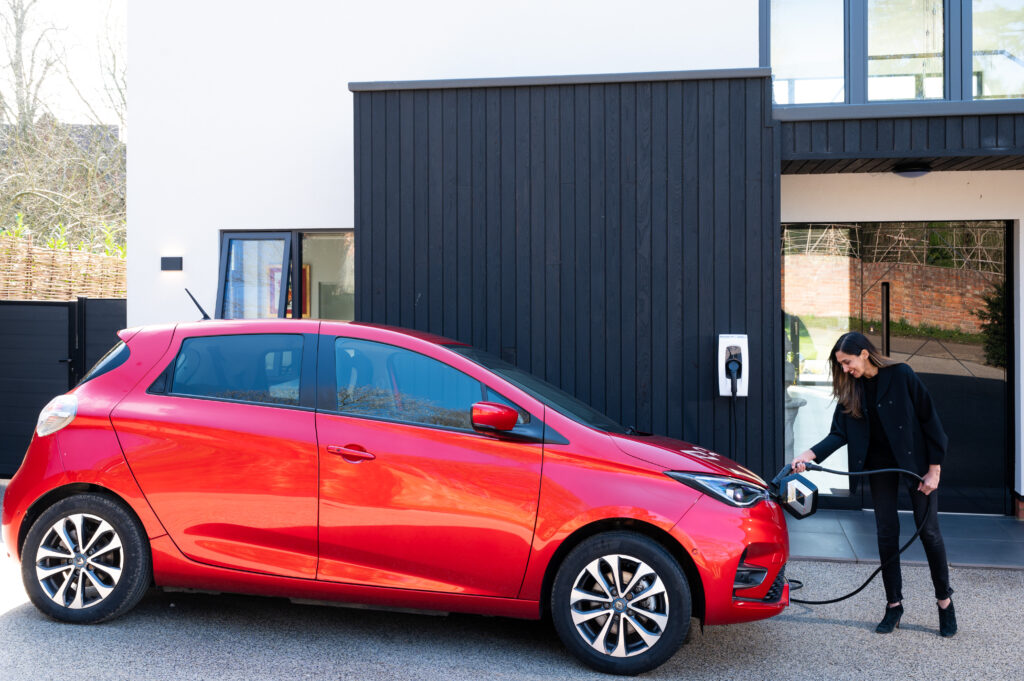
In most cases, a used EV battery should still have plenty of life left. As we’ve highlighted, modern EV batteries are designed to last 8-15 years or more, and many second-hand cars are only a few years old.
Currently, there’s no legal requirement for a seller to supply a formal battery state of health report (SOH) when selling a second-hand vehicle, although many dealers voluntarily provide this information, such as Drive Green, Ayvens Carmarket, and BCA. Car manufacturer Polestar sells its used Polestar 2 with an SOH report as standard.
In addition, there are various websites, such as MotorCheck, DEKRA, Generational+ and Avlioo, and apps like Clearwatt, where you can check the SOH yourself before you purchase a used EV.
Rapid charging generates more heat and places more stress on the battery than slower charging, which can accelerate battery degradation. However, the actual impact depends on how often and under what conditions rapid charging is used. Most modern EVs include sophisticated Battery Management Systems (BMS) that regulate battery temperature and adjust the charge rate—especially once the battery reaches around 80%—to optimise charging patterns and protect long-term battery health.
Occasional use of rapid DC charging will not cause significant damage to an EV battery or noticeably reduce its lifespan. However, frequent fast charging, particularly in very hot or very cold weather, can contribute to faster degradation, according to Geotab's study of 10,000 EV batteries.

Understanding your EV battery is key to getting the most out of your car and driving experience. Knowing how it works, how to charge efficiently, and how to care for it will mean fewer surprises and more confident driving.
Having a home EV charger enables you to control how and when your car charges. You can set charging limits to protect your battery’s long-term health and take advantage of smart EV tariffs that offer cheaper electricity at off-peak times – helping you save significantly on running costs.
View our range of smart chargers and discover more about owning and driving an EV in our knowledge hub.
1EON NextDriveSmart price as at 27 November 2025
2OVO Charge Anytime and Octopus Intelligent Go prices as at 27 November 2025
3Based on switching from a Seat Ateca 1.5 TSI EVO SE 5-Door to a Kia Niro 2, driving annual mileage of 7,000 miles: charging with standard dual rate tariff EON Next dual rate tariff vs Smart EV tariff (OVO Charge Anytime) at 7p/kWh vs cost of petrol at 137p/litre. Data as of 27 November 2025
 | About the author: Sonya is Indra's Senior Content and Marketing Executive. She is a content writer with many years of experience who is now using her expertise to help Indra communicate their branding, products, and the benefits of EV driving for both individuals, society and the planet. |