In our customer stories series, we shine a spotlight on Indra customers and the real-world benefits they’ve discovered from charging smarter at home.
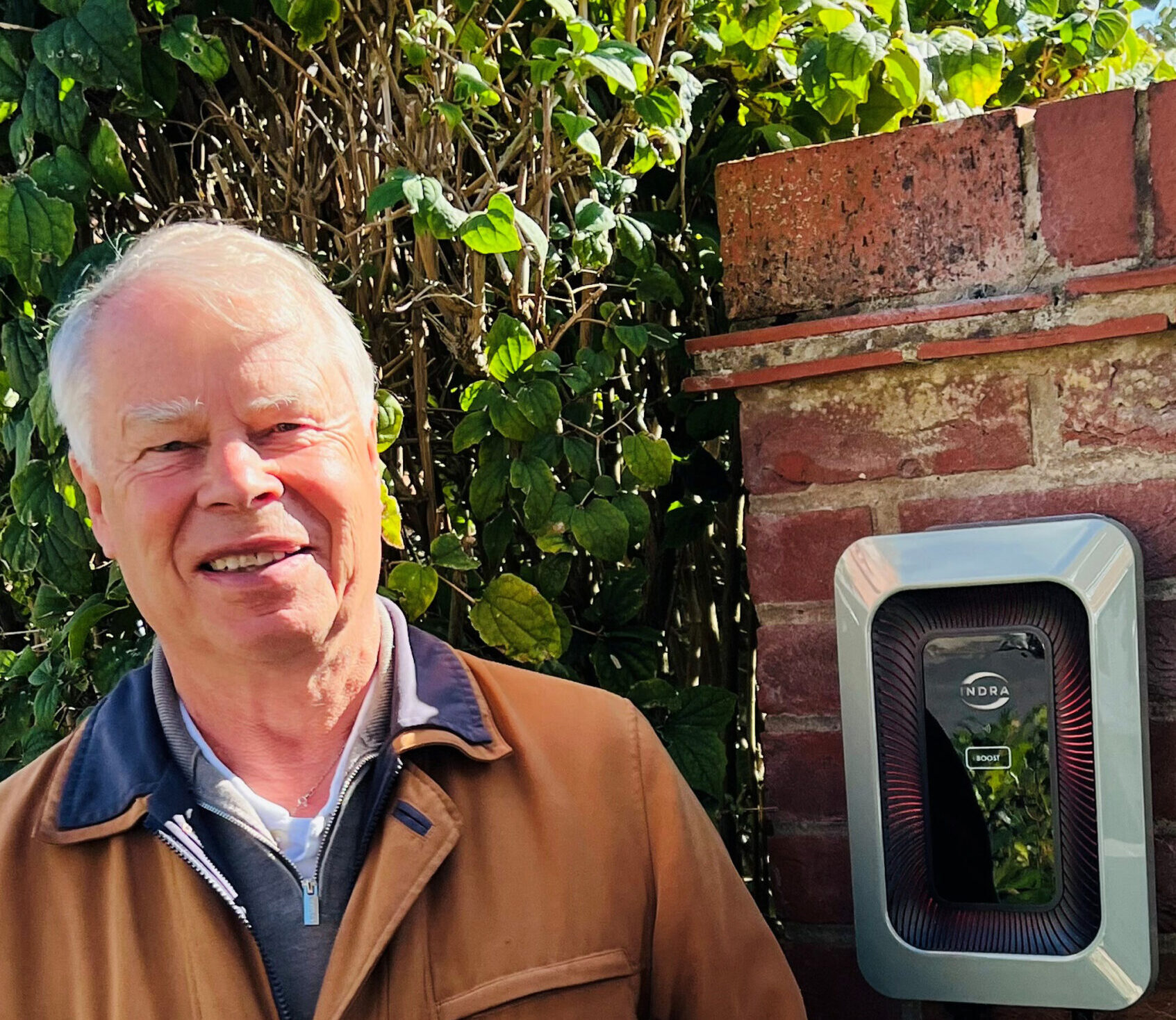
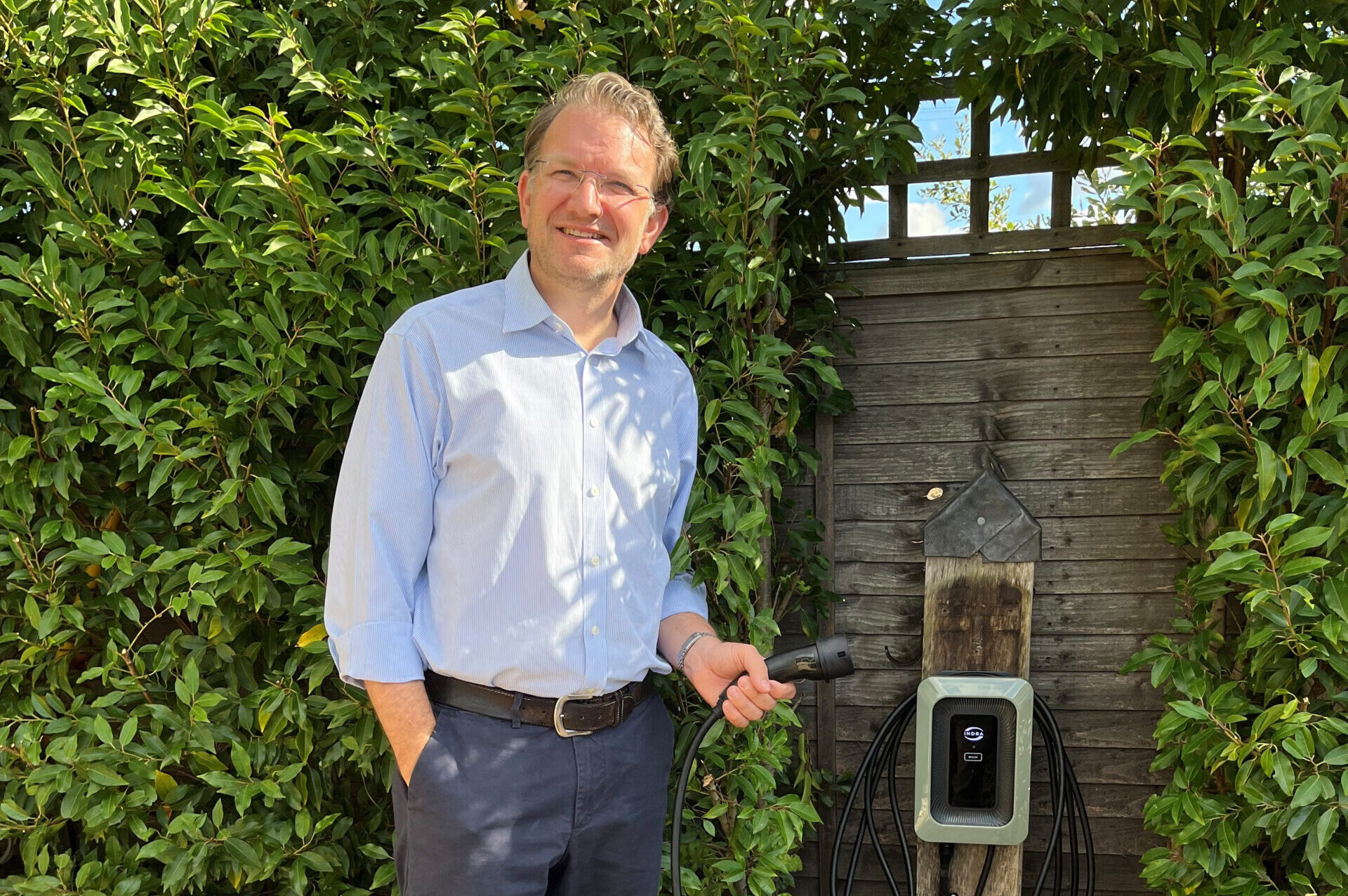
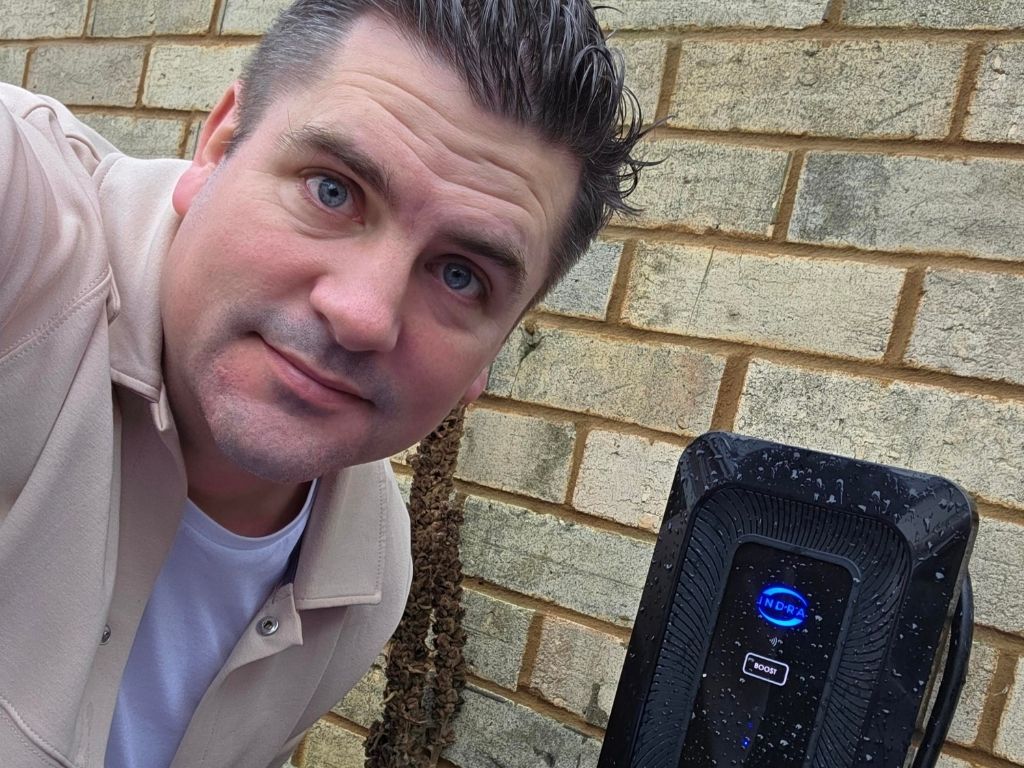
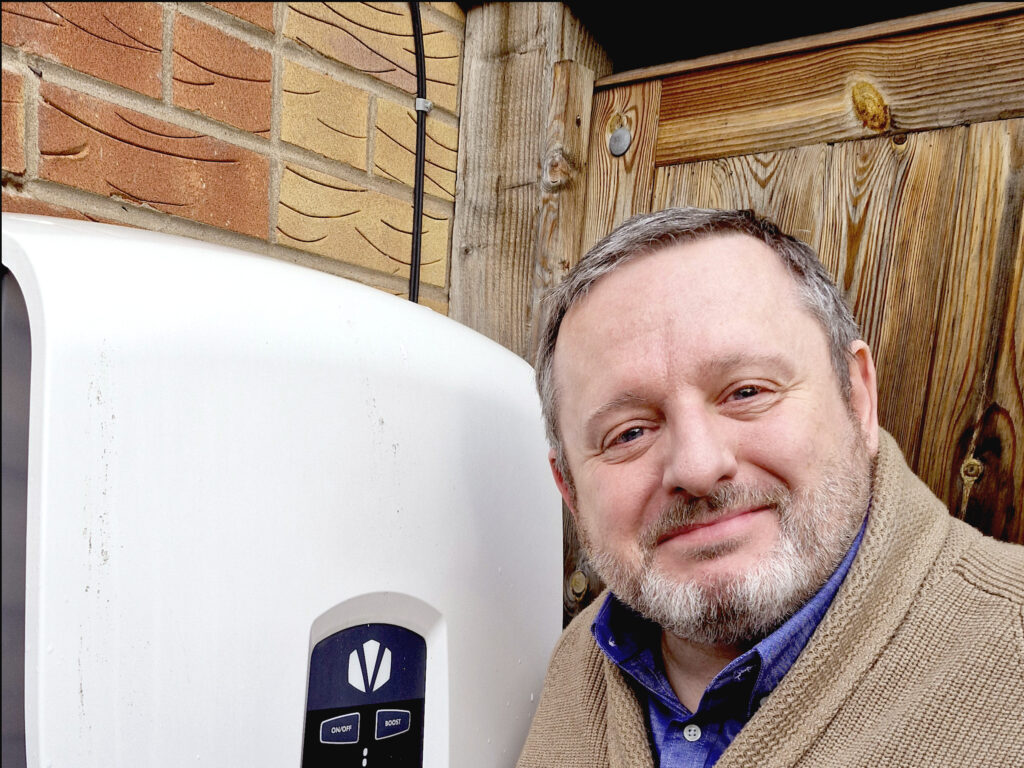
Mark and his wife Sarah have gone all-in on greener living, installing an air-source heat pump, solar panels and battery storage alongside their EV. Over the years, Mark has seen first-hand how electrification can benefit both the planet and the household budget. He now has two Indra chargers at home — a Smart PRO, as well as one of our innovative vehicle-to-grid (bi-directional) chargers — and we met with him to discuss how Indra is helping not only with transportation, but also with saving them money.
Mark told us, “Well, my work background is in the energy sector, and I’d always thought that I’d like to live the kind of things that I’m engaging in and promoting. Then, in Covid, the children had grown up and were leaving, going on their own life journeys, and our boiler broke, so we said, ‘Why not, instead of choosing to replace the boiler, have a heat pump?’
We’d had some aircon put in, and the company who’d installed it had just got qualified to do heat pumps. So, we had a wonderful moment when it all came together, heating our water and radiators. From there, we immediately thought, the next step is to power that heat by solar. So, at the tail end of Covid, we found companies that could put in solar and storage for a house battery.
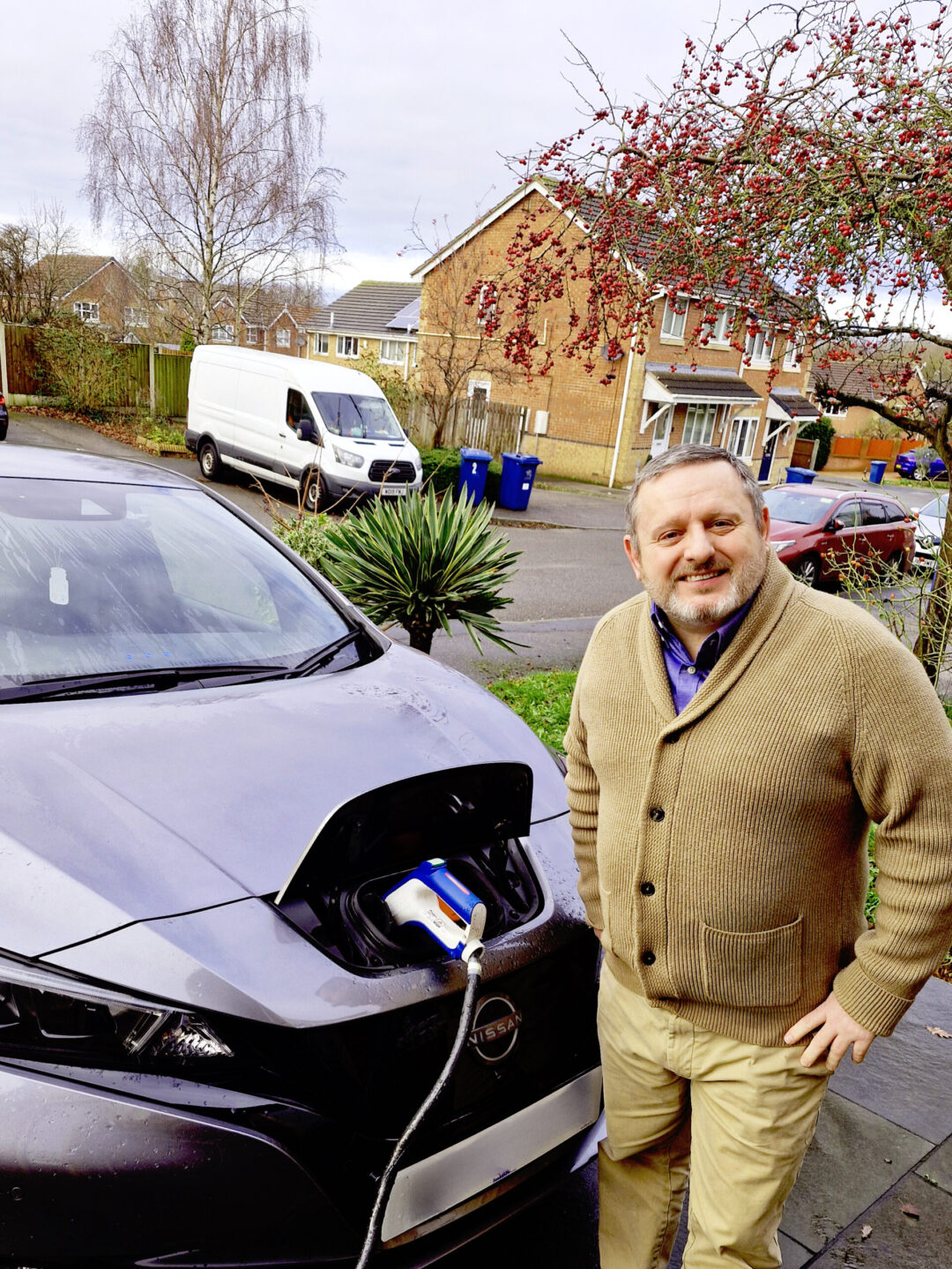
We started to support a lot of our energy use ourselves, and lower energy costs substantially. The next journey was then, why don’t we go further and move to an electric vehicle? My wife is the driver in the family, and we were on a lease programme for the car, so as that finished, we looked at the options. She was in Facebook groups for solar and so on, and she realised that if you got a Nissan Leaf with the right charging partner, you could also create vehicle-to-home (V2H) charging.”
Note: Mark's bi-directional (vehicle-to-home) set-up was provided as part of an Indra trials and isn't currently available for general sale. You can read more about our pioneering research into the next generation of EV chargers.
“That was very exciting to me, because I saw that as the next frontier, not only to enable our transportation, but to further benefit our energy use and make it very circular. So, the export of solar could go into the car, but also back to the house and really destroy our energy bill. That was when we got the Indra charger.”

“Well, we have two. We have the Indra Smart PRO, which we don’t use very much, and we have the Indra vehicle-to-home (V2H) charger. That’s the one we use all the time, because, of course, that’s then circular with the solar and everything else in the house. So, about 99% of our charging is done through that unit.
Having put in solar and storage and moved to electric heating, when we’ve got surplus energy, being able to use V2H has really destroyed the last part of our energy costs.
Dependent on the energy tariff, we’re saving at least £700 per year through the V2H in addition to the solar and storage. In the earlier days, of even higher energy tariffs, the saving against them was about £900, and, of course, could be again because energy prices move all the time.”
"We sometimes charge on the road if we’re going further away, but that’s quite rare. Maybe a couple of shopping trips a year, so generally all our charging is done at home on the charger with a smart tariff, so we get about £0.07 per kilowatt hour. There’s really no point in charging publicly when we can do it for such a low rate at home.
My wife went off to a shopping centre a few weeks ago for Christmas shopping, and she charged on the go there. But I think that’s the first time in three or four months that she’s charged it away from the house.
We think of the car as much as a bi-directional battery as we do a car; it’s used for more hours per year as a battery than it is for actual driving.”
Thinking of starting out into the world of EV driving? Read our beginner's guide to going electric.
Mark’s journey shows how smart charging, solar, and the right tariff can bring EV charging into the heart of a low-cost, low-carbon home energy system — helping you make the most of the energy you generate and reduce reliance on the grid.
Mark also took part in one of Indra’s bi-directional charging trials, using a vehicle-to-home charger that can send energy from the car back into the home. We’re building on what we’ve learned as we develop next-generation, bi-directional-ready products.
Today, Indra’s Smart PRO and Smart LUX make it easy to charge at the cheapest, greenest times and maximise your self-generated energy through smart charging.
Explore our range of home chargers and see how much you could save with smart charging designed for the future.
Mark Coyle is the Services Sales Director at Good Energy, and his primary focus is leading sales and supporting the strategy of distributed energy systems for all consumer segments. He has had more than three decades working in global energy and associated technology internationally as well as in the UK.
 | About the author: Sonya is Indra's Senior Content and Marketing Executive. She is a content writer with many years of experience who is now using her expertise to help Indra communicate their branding, products, and the benefits of EV driving for both individuals, society and the planet. |